
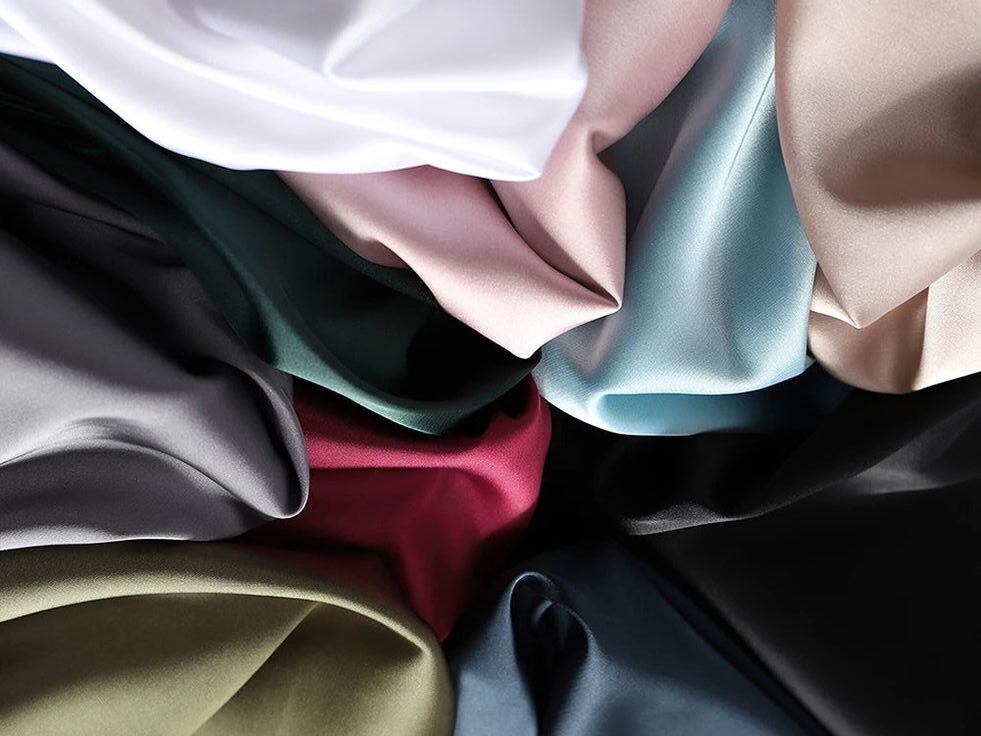
Silk, often referred to as the “queen of textiles,” has a history that spans thousands of years. This luxurious fabric, known for its exceptional softness, sheen, and timeless appeal, has captivated the hearts of people around the world. In this article, we will delve into the secrets of silk fabric, exploring its origins and what makes it the finest quality material for a wide range of uses.
A Glance into Silk’s Ancient Origins
Silk’s history is steeped in legend and ancient tradition. According to Chinese folklore, the discovery of silk dates back to around 2700 BCE when the Empress Leizu first unraveled the secret of silkworms. As the story goes, she was sipping tea under a mulberry tree when a cocoon fell into her cup. She observed the delicate threads and realized their potential for weaving into fabric.
China was the primary producer of silk for centuries, and they guarded their secret fiercely. The Silk Road, a network of trade routes connecting the East to the West, played a crucial role in spreading the knowledge of silk production to other parts of the world. This intricate network facilitated the exchange of goods, ideas, and cultures between Europe, the Middle East, and Asia.
The Art of Sericulture
The production of silk starts with the process known as sericulture. It involves raising silkworms (Bombyx mori) in a controlled environment, typically a sericulture farm. The silkworms feed on mulberry leaves, growing and spinning cocoons. Inside these cocoons, they secrete a protein called fibroin, which is the primary component of silk threads.
To obtain the silk, the cocoons are carefully harvested, and the pupa inside is removed. The harvested cocoons are then boiled to soften the sericin, a natural gum-like substance that holds the threads together. After this, the softened silk threads are unraveled and spun into threads, which can then be woven into fabric.
Qualities of the Finest Silk
What sets silk apart and makes it the finest quality fabric?
- Luxurious Softness: Silk is renowned for its soft and smooth texture, making it a delight to wear against the skin. The natural protein structure of silk fibers contributes to its softness.
- Natural Sheen: Silk has a beautiful, natural sheen that reflects light in a way that no other fabric can quite replicate. This inherent luster gives silk a timeless and elegant appeal.
- Breathability: Silk is a breathable fabric that helps regulate body temperature. It keeps you cool in hot weather and warm in cold weather, making it suitable for various climates.
- Durability: High-quality silk is incredibly durable, which means that well-cared-for silk garments can last for many years.
- Hypoallergenic: Silk is hypoallergenic and is less likely to cause allergies or skin irritation compared to some other fabrics.
- Versatility: Silk’s versatility is astounding. It can be used for a wide range of products, from clothing and bedding to accessories and home furnishings.
Modern Silk Production
Today, silk production is not limited to China; it is cultivated in various countries, including India, Thailand, Brazil, and Italy, each with its unique production methods and variations in silk quality. Different types of silk, such as mulberry silk, tussah silk, and muga silk, offer distinct characteristics and are used for various purposes.
To ensure the finest quality silk, it’s essential to consider factors like the quality of the silkworms, the conditions in which they are raised, and the harvesting and manufacturing processes. High-quality silk is often characterized by its uniform texture, minimal flaws, and vibrant colors.
In conclusion, silk fabric’s origins are steeped in history and legend, and its journey from the silk farms to the market involves intricate processes. The finest quality silk stands out for its luxurious softness, natural sheen, and versatility, making it a prized material for fashion, home furnishings, and more.
Whether you’re drawn to silk for its elegance, comfort, or sustainability, it remains a timeless choice that continues to be cherished worldwide.

Leave a comment