
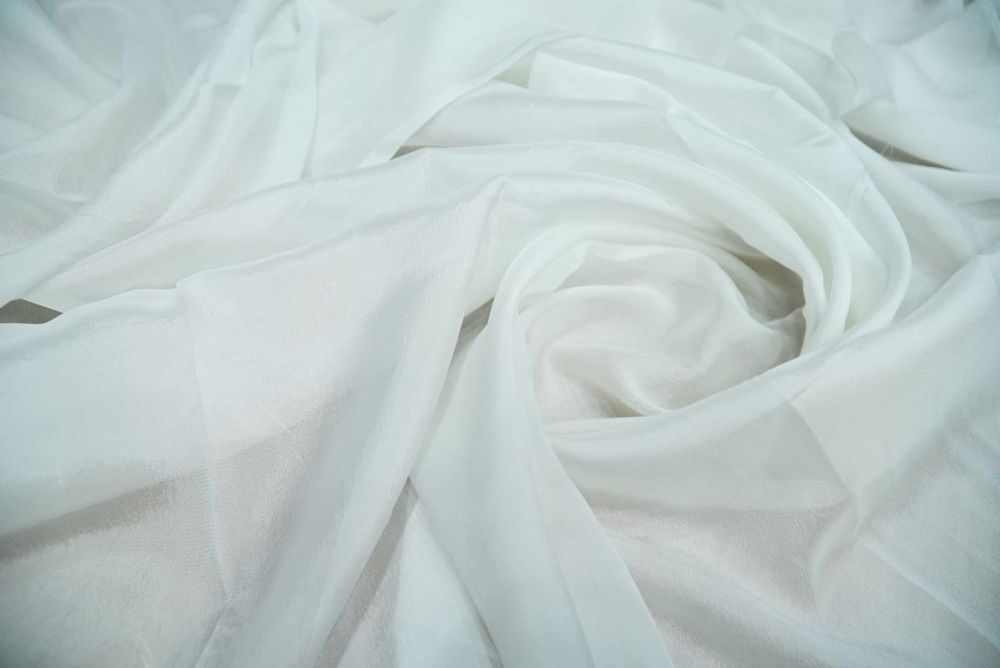
Silk, often referred to as the “Queen of Fabrics,” has captivated the world with its unparalleled beauty, luxurious feel, and timeless appeal for centuries. This extraordinary fabric, known for its shimmering appearance and soft texture, is derived from the fibers produced by silkworms. In this comprehensive guide, we delve into the world of silk fabrics, exploring their history, types, uses, and care.
The History of Silk
Silk’s history dates back to ancient China, where it was first discovered more than 4,000 years ago. Legend has it that Empress Leizu, the wife of the Yellow Emperor, discovered silkworms and the process of silk production when a cocoon fell into her tea. The secret of silk production was closely guarded in China for centuries, creating a valuable commodity that was highly sought after along the Silk Road.
Types of Silk Fabric
- Mulberry Silk: This is the most common type of silk and is produced by Bombyx mori silkworms. It is known for its fine texture, natural sheen, and exceptional softness.
- Tussar Silk: Also called “Wild Silk,” Tussar silk is produced by wild silkworms. It has a coarser texture and a unique, rustic charm.
- Chiffon Silk: Chiffon is a lightweight and sheer silk fabric known for its elegant drape and delicate appearance. It’s often used in eveningwear and lingerie.
- Satin Silk: Satin is recognized for its glossy surface and smooth feel. It’s commonly used in evening gowns, lingerie, and accessories.
- Dupioni Silk: Dupioni is characterized by its textured surface and irregular slubs. It’s often used for formal wear and bridal gowns.
Uses of Silk Fabrics
Silk’s versatility extends to a wide range of applications, including:
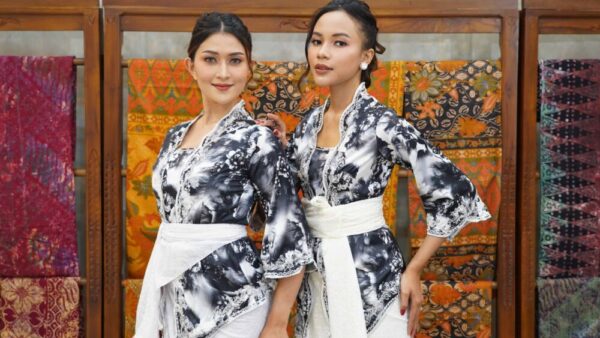
- Fashion: Silk is a favorite choice for designers due to its luxurious appearance. It’s used in clothing items such as dresses, blouses, ties, and scarves.
- Home Decor: Silk fabrics are used for drapery, upholstery, bedding, and decorative pillows to add a touch of opulence to homes.
- Accessories: Silk can be found in accessories like handbags, gloves, and hats.
- Lingerie: Its sensuous feel makes silk a popular choice for lingerie and nightwear.
Caring for Silk Fabrics
Silk is a delicate fabric that requires special care to maintain its beauty and longevity:
- Hand Wash or Dry Clean: Most silk garments should be either hand-washed in cold water with a mild detergent or dry-cleaned to avoid damage.
- Avoid Direct Sunlight: Silk is sensitive to sunlight and can fade over time, so it’s best to store silk items away from direct sunlight.
- Iron on Low Heat: When ironing silk, use the lowest heat setting and a pressing cloth to protect the fabric.
- Store Properly: To prevent wrinkles, store silk garments hanging or gently folded in a cool, dry place.
In conclusion, silk fabrics have stood the test of time as a symbol of elegance and refinement. Whether you’re considering silk for your wardrobe, home decor, or special occasions, understanding its history, types, uses, and care will help you fully appreciate the enduring allure of this magnificent fabric. Embrace the elegance of silk, and let it add a touch of luxury to your life.


Leave a comment