

Introduction: Silk, known for its luxurious texture and lustrous sheen, has captivated hearts for centuries. But have you ever wondered how this exquisite fabric is made?
In this article, we will unravel the secrets of silk production and explore the intricate process of transforming delicate silkworm cocoons into the fabric of elegance. Join us on a journey into the art of silk making.
The Birth of Silk: Silkworms and Their Cocoons:
Silk is derived from the fibers produced by silkworms, specifically the Bombyx mori species. The life cycle of a silkworm begins with the hatching of eggs, which then develop into caterpillars. These caterpillars, commonly known as silkworms, have a voracious appetite and feed exclusively on the leaves of the mulberry tree.
The Silk Production Process: The process of silk production can be divided into several key steps, each requiring precision and care.
Step 1: Silkworm Feeding:
During the larval stage, silkworms continuously feed on mulberry leaves to fuel their growth. The quality and nourishment of these leaves play a vital role in the silk’s final texture and strength. Silk farms carefully cultivate mulberry trees to ensure a sufficient supply of leaves for the silkworms.
Step 2: Silkworm Cocoon Formation:
After several weeks of feeding, the silkworms enter the pupal stage. At this point, they secrete a protein substance called fibroin, which forms the basis of silk. Silkworms then spin their cocoons, enveloping themselves in a protective shelter made of silk threads. The cocoon serves as a safe haven during the transformation into a moth.
Step 3: Harvesting the Cocoons:
To obtain the silk fibers, the cocoons must be harvested at the appropriate time. The cocoons are carefully collected and sorted based on their quality. It’s important to note that not all cocoons are used for silk production, as some are left intact to allow the silkworms to complete their life cycle.
Step 4: Silk Reeling:
To unravel the silk fibers from the cocoons, a process called silk reeling takes place. The cocoons are softened by exposure to heat or steam, which helps dissolve the sericin, a natural gum that binds the silk fibers. The softened cocoons are then carefully unwound, and the silk filaments are collected onto a reel.
Step 5: Silk Spinning and Weaving:
Once the silk filaments have been collected, they are spun together to create silk threads. These threads are then woven on looms to form the exquisite silk fabric we know and love. Skilled artisans meticulously craft patterns and designs into the fabric, further enhancing its beauty and elegance.
The Beauty of Silk:
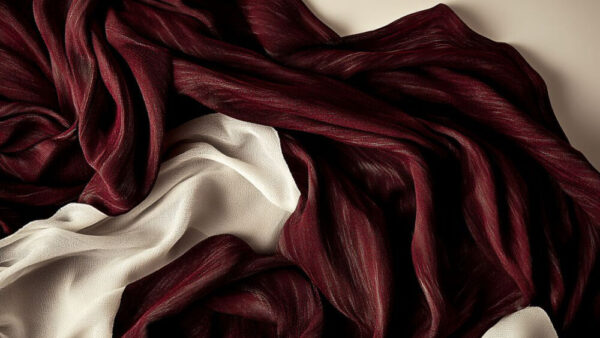
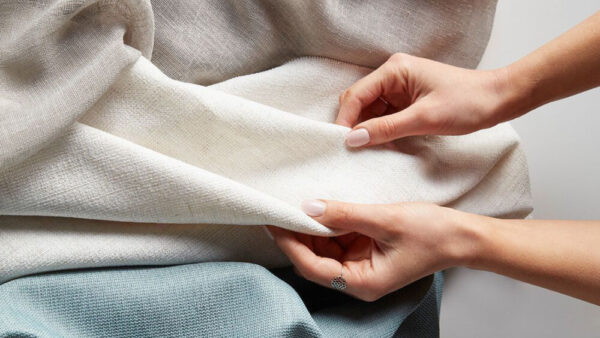
Silk is revered for its remarkable qualities that set it apart from other fabrics. Its natural sheen and softness provide a luxurious feel against the skin, making it highly sought after for clothing, bedding, and accessories.
Silk also possesses excellent temperature-regulating properties, keeping you cool in summer and warm in winter. Furthermore, silk’s strength and durability ensure that it can withstand the test of time with proper care, becoming a cherished part of your wardrobe or home décor collection.
Conclusion: The art of silk making is a labor-intensive and intricate process that transforms the humble silkworm cocoon into a fabric of unparalleled beauty. From the feeding of silkworms to the careful reeling and weaving, every step contributes to the creation of luxurious silk.
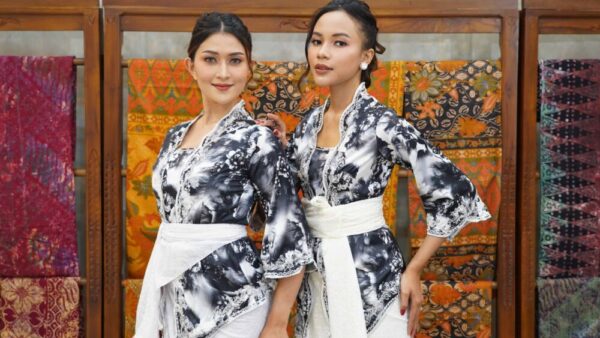
Experience the allure of silk for yourself at balisilk.com, where you can explore a stunning collection of silk fabrics. Discover the elegance, comfort, and timelessness of silk and elevate your creative projects with the finest quality silk available.
Indulge in the beauty of silk at balisilk.com. Visit our store and explore our exquisite collection of silk fabrics. From silk apparel to silk home accessories, we offer a wide range of choices to satisfy your discerning taste.
Elevate your projects with the elegance and luxury of silk available at balisilk.com today.


Leave a comment