

Welcome to our blog! If you’re curious about different types of fabrics and want to learn more, you’ve come to the right place. In this post, we’ll dive into various fabric types, their uses, and tips for choosing the right fabric for different needs. Let’s get started!
1. Types of Fabrics and Their Characteristics
1.1 Cotton
Cotton is one of the most common and versatile fabrics. Made from cotton plant fibers, it’s known for its softness and high absorbency. Cotton is often used for everyday clothing like t-shirts, shirts, and pants. Its affordability and ease of care make it a popular choice.
1.2 Linen
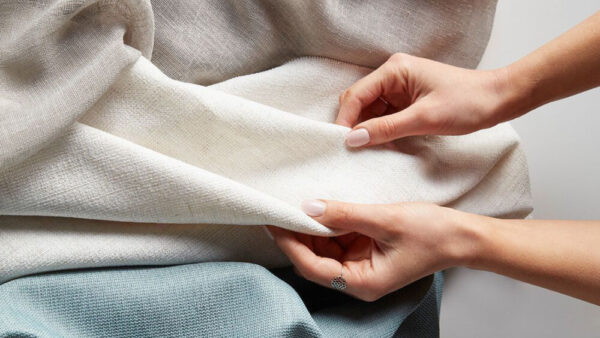
Linen is made from flax plant fibers. It is renowned for its strength and natural resistance to wrinkles. Linen is also very cool and comfortable in hot weather, making it ideal for summer clothing and home textiles like pillowcases.
1.3 Silk
Silk is a luxurious fabric made from the fibers of silkworm cocoons. It’s incredibly smooth and has a natural sheen, giving it an elegant appearance. Silk is typically used for evening gowns, formal wear, and high-end accessories. Although it’s more expensive, the beauty and softness of silk often justify the cost.
1.4 Polyester
Polyester is a synthetic fabric made from plastic fibers. It is highly durable, resistant to wrinkles, and generally more affordable than natural fabrics. Polyester is commonly used for sportswear, work clothes, and various home goods like curtains and upholstery.
1.5 Wool
Wool is made from the fleece of sheep. It’s known for its warmth and suitability for cold weather. Wool has the ability to absorb moisture and regulate body temperature. It’s frequently used for sweaters, coats, and blankets.
2. Choosing the Right Fabric for Your Project
2.1 Consider the Purpose and Function
Before buying fabric, it’s important to consider the purpose and function of the fabric. For instance, if you’re making summer clothing, choose lightweight and breathable fabrics like cotton or linen. For formal wear or evening gowns, silk might be the perfect choice.
2.2 Take Weather and Season into Account
Weather and season also play a role in fabric selection. In winter, fabrics like wool and fleece will provide the needed warmth, while in summer, fabrics like cotton and linen will help keep you cool.
2.3 Consider Fabric Care
Different fabrics require different care. Cotton and polyester are generally easy to wash and maintain at home, while silk and linen might require special care such as dry cleaning or hand washing.
3. Tips for Caring for Your Fabrics
3.1 Follow Care Instructions
Always read the care label on your clothing or fabric. These instructions will provide information on how to wash, dry, and store the fabric properly.
3.2 Use the Right Detergent
For delicate or luxurious fabrics, use a gentle detergent that’s appropriate for the fabric type. Harsh detergents can damage the fibers and reduce the lifespan of your garments.
3.3 Store Fabrics Properly
Store fabrics in a dry, cool place. Avoid exposure to direct sunlight or damp conditions, as this can damage the fabric and cause colors to fade.
The world of fabrics is vast and diverse. By understanding different types of fabrics and their characteristics, you can make better choices for your clothing needs and crafting projects. We hope this guide helps you choose the right fabric and take good care of it.


Leave a comment