

The enchanting island of Bali, Indonesia, is not only known for its picturesque landscapes and vibrant culture but also for its captivating traditional dress. Balinese traditional dress holds a deep-rooted significance in the island’s culture and history.
Worn during religious ceremonies, special occasions, and cultural festivals, these exquisite garments showcase the artistic prowess and elegance of the Balinese people. In this article, we will delve into the beauty and cultural importance of Balinese traditional dress, offering insights into their unique designs and symbolism.
1. The Significance of Balinese Traditional Dress:
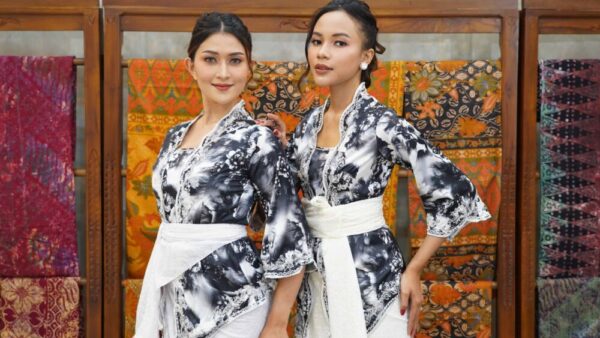
Balinese traditional dress is an essential element of the island’s cultural identity. Known as “Balinese kebaya” for women and “Balinese udeng” for men, these garments carry a sense of pride and honor for the Balinese people. The intricate designs, vibrant colors, and luxurious fabrics reflect the artistic heritage of Bali, making these dresses more than just clothing; they are symbols of cultural heritage.
2. Balinese Kebaya for Women:
The Balinese kebaya is an exquisite traditional blouse, often paired with a batik sarong or a traditional wrap-around skirt known as “kain.” The kebaya is usually made from delicate fabrics like silk or cotton, adorned with intricate embroidery and lacework. The design varies depending on the occasion, with wedding kebaya being the most ornate and richly embellished. It is not only a symbol of femininity but also a statement of elegance and grace.
3. Balinese Udeng for Men:
The Balinese udeng is a traditional headcloth worn by Balinese men during religious ceremonies and formal events. It is meticulously wrapped around the head, signifying respect and devotion to the island’s customs and traditions. The udeng is available in a variety of colors and patterns, each representing different aspects of Balinese culture. It is a testament to the strong sense of community and solidarity among the Balinese people.
4. Rich Symbolism in Designs:
Every element of Balinese traditional dress carries deep symbolism. The colors used in the fabrics represent various emotions and virtues, such as white for purity, yellow for royalty, and red for courage.
The intricate patterns and motifs tell stories from ancient myths and legends, connecting the wearer to their cultural heritage. Balinese traditional dress not only celebrates the island’s history but also serves as a visual narrative of its beliefs and values.
5. Preservation of Tradition:
Despite modern influences, the Balinese people take immense pride in preserving their traditional dress. The younger generation actively participates in cultural events and ceremonies, embracing their heritage by wearing traditional attire. This commitment to preserving their cultural identity ensures that Balinese traditional dress will remain a timeless symbol of their rich history and artistic legacy.
6. Wearing Balinese Traditional Dress Today:
Beyond religious ceremonies and cultural festivals, Balinese traditional dress has found its way into contemporary fashion and is often seen in formal events and weddings. The elegance and sophistication of these garments have captivated people from around the world, who seek to embrace the beauty and culture they represent.
If you’re captivated by the allure of Balinese traditional dress and want to experience the beauty and elegance it embodies, visit balisilk.com. Our exclusive collection showcases the finest Balinese kebaya and udeng, handcrafted with love and attention to detail.
Discover the essence of Balinese culture through our stunning traditional dress collection, and embrace the timeless elegance it offers. Come and explore the magic of Balinese traditional dress at balisilk.com today.




Leave a comment