

Bali, the famed Island of the Gods, is not only known for its breathtaking landscapes and vibrant culture but also for its rich tradition of silk weaving. This tradition, which has deep roots in Balinese culture, has seamlessly merged with contemporary fashion to create a unique and captivating blend. In this article, we’ll explore the world of Bali silk, where tradition and modernity converge to produce stunning fashion pieces.
A Glimpse into Balinese Silk Tradition
Balinese silk weaving is a centuries-old craft that has been passed down through generations. The art of silk production begins with the cultivation of mulberry trees and the rearing of silkworms. These silkworms spin cocoons, and the fine silk threads are harvested. The threads are then dyed using traditional techniques, including the intricate process of ikat, which involves tying and dyeing the threads before weaving.
Traditional Motifs and Patterns
Balinese silk textiles are known for their elaborate motifs and patterns, many of which are deeply rooted in the island’s culture and spirituality. Some of the most renowned patterns include:
- Parang: This motif resembles waves and symbolizes protection and harmony. It is often used in ceremonial clothing.
- Sidem: The sidem pattern represents the interconnectedness of humans and nature, reflecting Bali’s deep respect for the environment.
- Songket: Songket is a form of brocade that incorporates metallic threads, creating a shimmering effect. It is often reserved for special occasions and ceremonies.
Balinese Silk in Contemporary Fashion
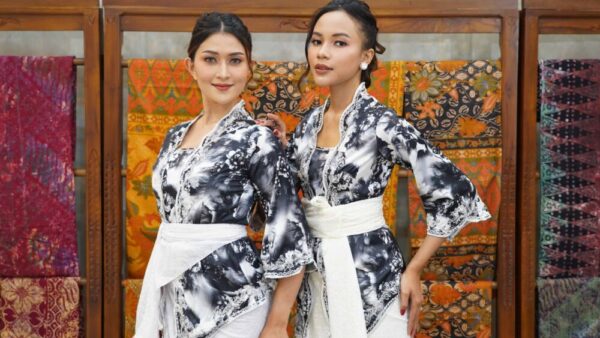
While the traditional art of Balinese silk weaving continues to flourish, contemporary designers and fashion enthusiasts have embraced this exquisite fabric, infusing it with modern aesthetics. Here’s how Balinese silk has found its place in the world of contemporary fashion:
- Fashion Designers: Balinese silk has caught the attention of renowned fashion designers who incorporate it into their collections. Balinese silk dresses, blouses, and accessories have graced international runways.
- Global Appeal: The global fashion market has a strong appetite for Balinese silk, which has transcended its cultural origins. Its unique blend of tradition and modernity makes it attractive to fashion-forward consumers worldwide.
- Sustainable Fashion: Balinese silk’s eco-friendly production methods align with the growing trend of sustainable fashion. Ethical and environmentally conscious consumers appreciate its natural and traditional origins.
Ways to Incorporate Balinese Silk into Your Wardrobe
If you’re looking to infuse your wardrobe with the elegance of Balinese silk, here are some ideas:
- Silk Scarves: A Balinese silk scarf can elevate any outfit, from casual to formal. Drape it over your shoulders or tie it around your neck for a touch of sophistication.
- Blouses and Tops: A Balinese silk blouse can be paired with jeans for a casual look or with tailored pants or a skirt for a more polished appearance.
- Dresses: Balinese silk dresses, with their intricate patterns and luxurious feel, are perfect for special occasions or as statement pieces in your wardrobe.
- Accessories: Balinese silk accessories like handbags, clutches, or hairbands can add a touch of elegance to your ensemble.
Preserving the Legacy of Balinese Silk
Efforts are underway to ensure the continuity of Balinese silk weaving traditions. Local communities are working to pass down these skills to younger generations, ensuring that this rich cultural heritage thrives in the modern world.
In conclusion, Bali silk beautifully exemplifies the harmonious coexistence of tradition and contemporary fashion. Its intricate patterns, cultural significance, and timeless elegance have enchanted both the local Balinese population and the global fashion community. As we celebrate Bali silk, we also honor the skilled artisans who continue to weave the threads of tradition into the fabric of modern fashion, creating a tapestry of beauty and cultural heritage that transcends time and borders.


Pingback: Where Can I Buy Silk Fabric? A Shopper’s Guide