

Bali, the enchanting Island of the Gods, is not only renowned for its picturesque landscapes and warm hospitality but also for its captivating traditional artistry. Among the island’s many treasures, Bali batik fabric stands out as a true representation of the region’s artistic heritage and cultural significance.
With its vibrant colors and intricate designs, Bali batik fabric weaves a story of ancient traditions and contemporary craftsmanship. In this article, we will delve into the beauty and significance of Bali batik fabric, exploring the art form’s origins, techniques, and its enduring popularity among both locals and global admirers.
1. The Art of Bali Batik Fabric:
Bali batik fabric is a traditional Indonesian textile that dates back centuries. The word “batik” itself originates from the Javanese word “amba,” meaning “to write,” and “titik,” meaning “dot.” Batik involves the application of wax and dye to create intricate patterns and designs on cloth.
Bali, with its rich cultural heritage, has embraced batik as a significant art form, and it has become an integral part of the island’s identity.
2. The Batik Process:
Creating Bali batik fabric is a laborious and time-honored process. Skilled artisans start by drawing designs on the fabric using a pencil or a tjanting tool, a small copper container with a spout to hold the hot wax. They then apply hot wax to the fabric using the tjanting or a brush, covering the areas that they want to remain the original color.
The fabric is then submerged in a dye bath, and the areas covered in wax resist the dye, creating a pattern. The process may be repeated several times, adding layers of wax and dye to achieve intricate, multi-colored designs.
3. The Significance of Bali Batik Fabric:
Bali batik fabric is more than just a textile; it holds cultural and symbolic value for the Balinese people. The designs often depict elements from nature, religious symbols, or traditional folklore. Each motif carries specific meanings and is thought to bring blessings and protection to the wearer.
The creation of batik is also seen as a form of meditation and a way for artisans to connect with their spirituality.
4. Colors and Patterns:
The colors used in Bali batik fabric are vibrant and diverse, reflecting the island’s lively culture. Bold hues such as blues, reds, yellows, and greens are commonly seen, making the fabric a visual treat.
The patterns range from intricate geometrical shapes to delicate floral motifs, each telling a unique story and representing a part of Bali’s cultural narrative.
5. Bali Batik in Contemporary Fashion:
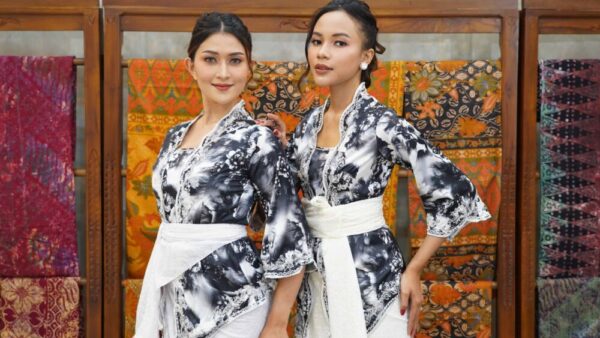
While batik has deep traditional roots, it has also made its way into contemporary fashion and design. Modern designers and fashion houses often incorporate Bali batik fabric into their collections, appreciating its unique and artistic appeal.
From haute couture to casual wear, Bali batik fabric has found a place in the global fashion scene, captivating fashion enthusiasts and trendsetters alike.
6. Supporting Local Artisans:
Purchasing Bali batik fabric not only allows you to own a piece of the island’s cultural heritage but also contributes to supporting local artisans and their craft. The process of creating batik fabric requires skill, precision, and a deep understanding of traditional techniques.
By choosing authentic Bali batik, you help preserve this ancient art form and provide sustainable livelihoods for talented artisans.
If you’re captivated by the vibrant artistry of Bali batik fabric and want to own a piece of this cultural treasure, explore our stunning collection at balisilk.com. Our handcrafted Bali batik fabrics showcase the finest craftsmanship and an array of breathtaking designs.
Immerse yourself in the beauty of this ancient art form and experience the magic of Bali through our exclusive batik fabric collection. Visit balisilk.com today and discover the tapestry of colors and traditions that Bali batik fabric has to offer.



Leave a comment